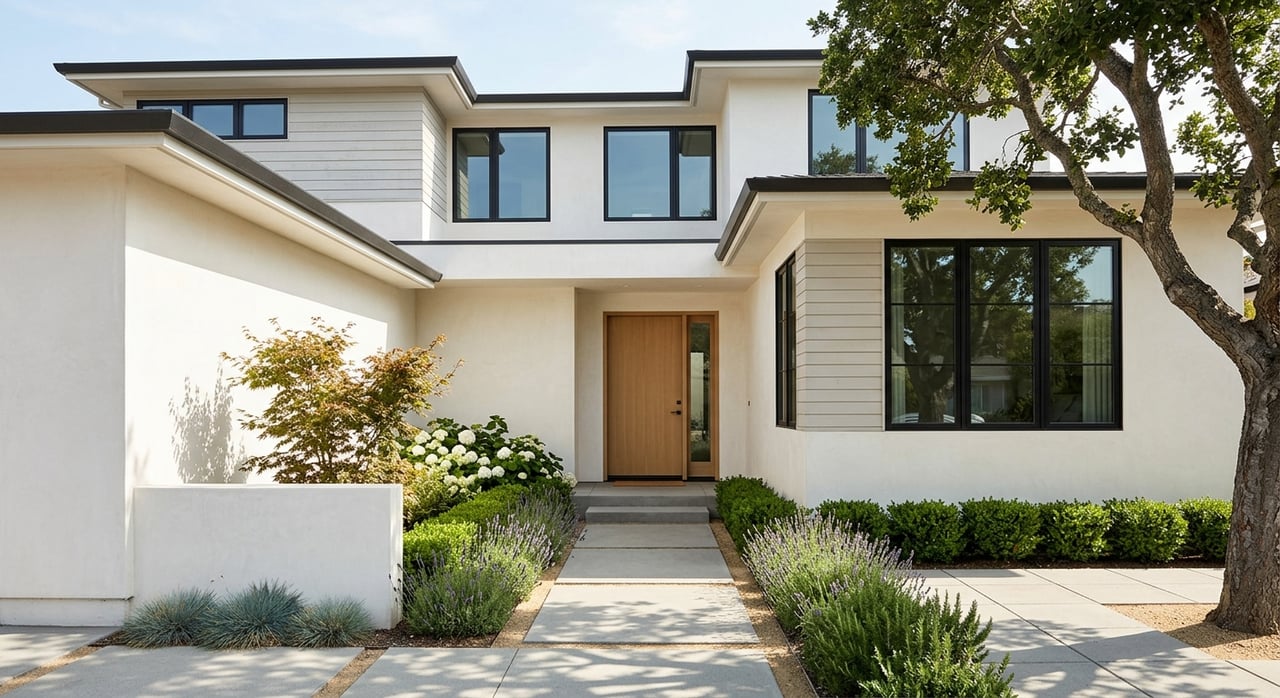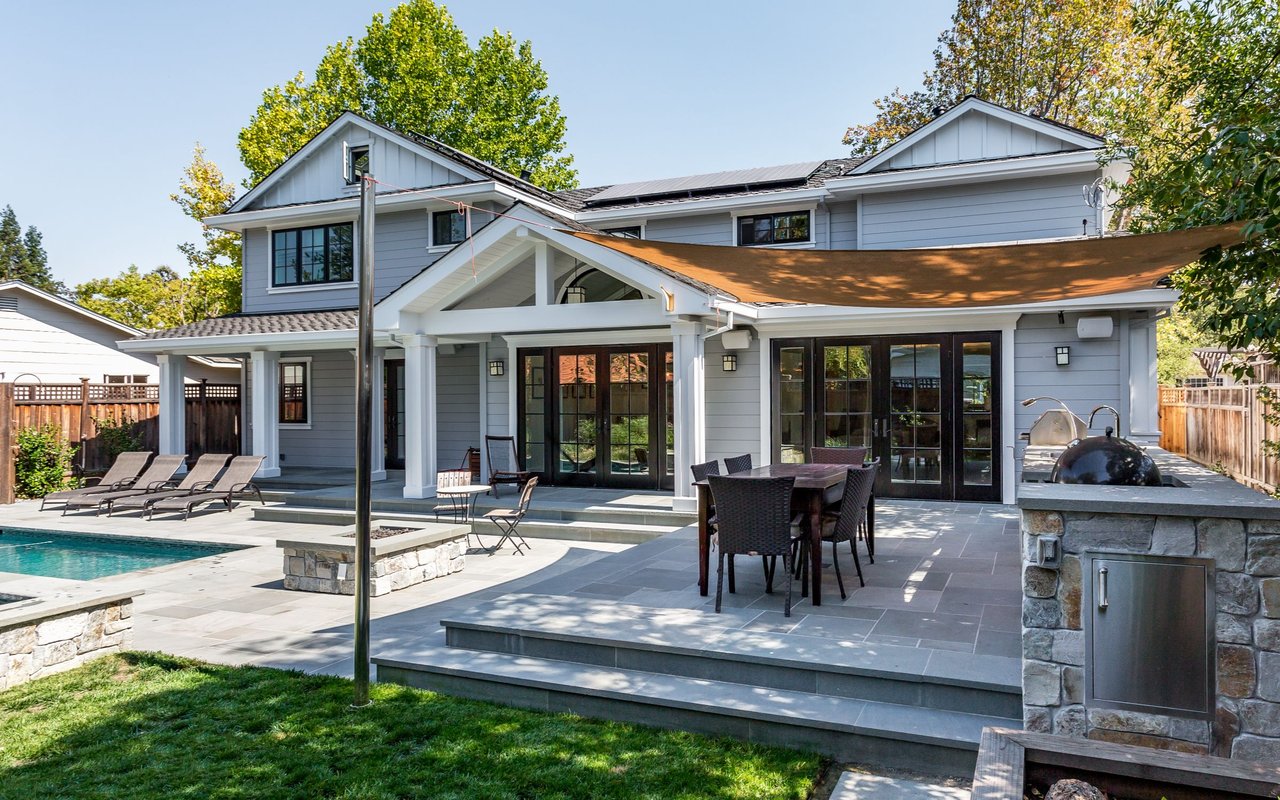
On September 29, 2026, Governor Newsom signed AB 2050. The law requires California homeowners associations to fund their reserve accounts so the projected balance never drops below zero over a 30-year window. Those requirements start on January 1, 2032. If you are buying a condo or townhome in Walnut Creek this fall or winter, a different deadline matters more. Fannie Mae's condo reserve minimum goes from 10% to 15% of an association's budgeted assessment income for Full Review loan applications dated on or after January 4, 2027.
That date is three months away. Many associations are drafting and mailing their 2027 budgets right now. In a Walnut Creek condo market that has been loosening while the detached market stays tight, those budgets will help decide which units a typical buyer can finance.
Three dates, in the order they arrive
- August 3, 2026. Fannie Mae retired its Limited Review process. Established condo projects now go through Full Review, or a Waiver of Project Review where one applies. On the same date, lenders who use a reserve study to show adequate reserves had to confirm that the project's budget includes the highest recommended reserve allocation. They can no longer rely on the baseline funding method, which lets the reserve balance approach zero but never go below it.
- January 4, 2027. The 15% reserve allocation minimum applies to Full Review loan applications dated on or after this day.
- January 1, 2032. AB 2050's reserve-funding requirements take effect. An association whose 30-year projection shows reserves falling below zero must transfer at least 15% of its gross annual budget to reserves each year. If the budget can't cover that, it must levy a reserve-funding special assessment.
AB 2050's floor is the minimum contribution that keeps the projected balance from dropping below zero over 30 years. That is close to the baseline approach Fannie Mae stopped accepting in August for its reserve-study option. So the law making headlines sets a lower bar than the one lenders already use, and it arrives more than five years later. In practice, the lending standard is the one that decides financing between now and 2032.
Why the budget in your mailbox matters this season
Under the Davis-Stirling Act, an association has to send its annual budget report 30 to 90 days before the end of its fiscal year. For an association whose fiscal year follows the calendar, that window is roughly October through early December. So the documents that show whether a project reaches 15% are coming out just before the rule applies.
Boards have room to close a gap. According to the San Francisco Chronicle, an HOA can raise regular dues by up to 20% per fiscal year and levy special assessments totaling up to 5% of its expense budget without a member vote. An association that budgets 11% or 12% for reserves today could reach 15% by raising dues, and that higher monthly cost goes to whoever owns the unit next year.
The reasoning behind Fannie Mae's change sits on the first page of the policy. Fannie Mae says it has seen a correlation between condo projects with underfunded reserves and projects that need critical repairs. It warns that unit owners can face "unexpected special assessments or higher regular assessments or dues." The same letter acknowledges that rising premiums and limited insurance availability are straining HOAs. Higher insurance costs and a higher reserve minimum both land on the same line of the budget.
How Walnut Creek's two markets looked in August
Bay East Association of Realtors released its August 2026 city statistics on September 3. The Walnut Creek reports show condos and townhomes on a different track from detached homes.
| August 2026, Walnut Creek | Condos & townhomes | Detached single-family |
|---|---|---|
| Median sale price | $575,000 | $1,600,000 |
| Average days on market | 42 | 28 |
| Month-end inventory | 188 units | 61 units |
| Months of supply | 2.6 | 1.5 |
| Average sale-to-list ratio | 100% | 102% |
The condo trend from spring through summer matters more than any single month. In Bay East's monthly table, average days on market for attached homes rose from 29 in May 2026 to 33 in June and 42 in both July and August. The median fell from $692,500 in May to $650,000 in July and $575,000 in August. A one-month median depends heavily on which units happened to close, so the August figure alone deserves caution. The slower pace across the summer is the more reliable signal.
That slower pace is where the January rule starts to matter. With 2.6 months of supply, a condo seller has competition, and most buyers at a $575,000 median need a mortgage. A unit in a project that clearly meets Fannie Mae standards can go to the widest pool of financed buyers. A unit in a project that can't meet Full Review is limited to cash buyers and to lenders outside the conventional channel. Fannie Mae says loans in projects that don't meet its requirements can't be sold to it until the problem is fixed.
Walnut Creek has seen this happen before
In March 2025, a Mercury News report found 168 condo complexes on Fannie Mae's unavailable list across the five-county Bay Area, including 35 in Walnut Creek. The same report described a stretch when Rossmoor buyers couldn't get conventional loans. Sales there were mostly cash, and values dipped for a time. Mortgage broker Mary Niles later found non-QM lenders for Rossmoor buyers and told the paper she had closed about 30 loans there.
That reporting is from 2025, and it isn't a current status for any complex. Fannie Mae says a project's eligibility can be updated once its problems are fixed. Its own status tool warns that "no findings" doesn't mean a project has been reviewed or approved. What carries forward is how it works. When a project falls outside conventional lending, its pool of buyers shrinks and its sale prices follow, and Walnut Creek has already been through it once.
What to request before you write an offer
The useful information sits in a handful of documents. Walnut Creek condo buyers this season should ask for them early, ideally before setting a price:
- The 2027 budget, if it has gone out, along with the current one. Look for the share of assessment income allocated to reserves and compare it to 15%. Your lender makes the formal determination, but the number shows which way the association is heading.
- The most recent reserve study. Check whether the budget funds the study's highest recommended allocation, since that is now the test for lenders using the reserve-study route.
- The master insurance policy. Fannie Mae still requires the master policy to cover at least 100% of estimated replacement cost.
- Board minutes covering planned dues increases or assessments. Boards can move dues and modest assessments without a member vote, so the minutes usually show changes before the budget does.
- Balcony and elevated-element inspection records. Under SB 326, qualifying associations must inspect a statistically significant sample of covered exterior elevated elements every nine years, and the first deadline was January 1, 2025. Any repairs identified there feed straight into the reserve picture.
- Your loan application date. The 15% minimum depends on when the application is dated, not when escrow closes. Ask your lender how they will apply the rule to your timeline.
FHA financing is a separate route. It works through FHA-approved projects or, where eligible, Single-Unit Approval in an unapproved project, and HUD lists project insurance and financial condition among its tests. A buyer comparing loan programs should ask about each one, because a project's Fannie Mae status and its FHA status don't always match.
Short answers to questions buyers ask
Does AB 2050 change anything for a condo I buy today?
Its reserve-funding requirements don't take effect until January 1, 2032. Before then, Fannie Mae's lending standards will have far more effect on what you can finance and on how dues move.
Was the companion bill on HOA managers signed too?
No. Governor Newsom vetoed SB 1238 on September 20, 2026. He wrote that its dual duty of care for managing agents could create conflicting obligations and litigation risk.
Will reserve mandates push dues up?
Both sides of the debate expect some upward pressure. Robert DeNichilo of the Community Associations Institute's California Legislative Action Committee called AB 2050 "budgeting the actual cost of ownership." Robert Herrell of the Consumer Federation of California argued for limits on how fast assessments can rise. UC Berkeley Haas doctoral student Nathan Godin found that a 2022 Florida reserve mandate raised HOA fees and lowered prices in affected buildings. He also noted that California's existing three-year reserve study requirement may mean many associations have already built those costs into their dues. None of this is legal or financial advice. Your lender and the association's documents are where the answer for a specific unit comes from.
If you are weighing a Walnut Creek condo or townhome against a detached home this season, Regina Gaspari can help you collect and read the budget, reserve study and insurance documents early, so you know a project's financing outlook before you set your price. Let's Connect.