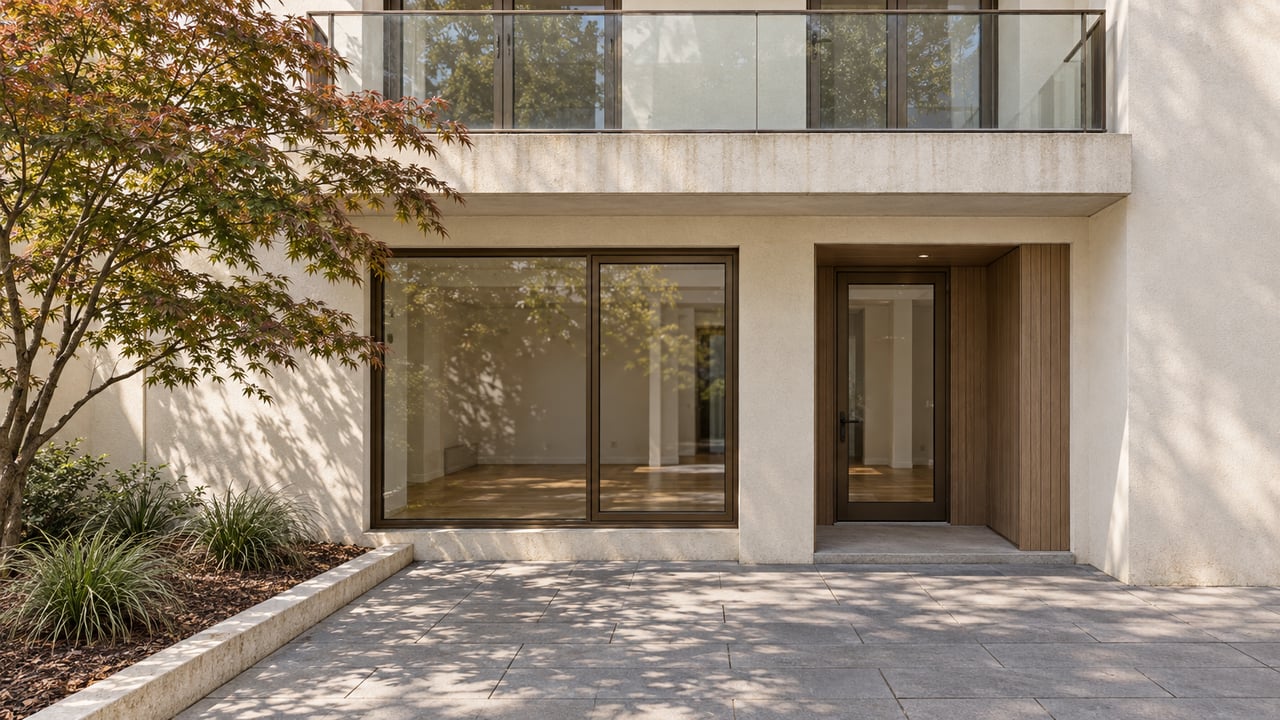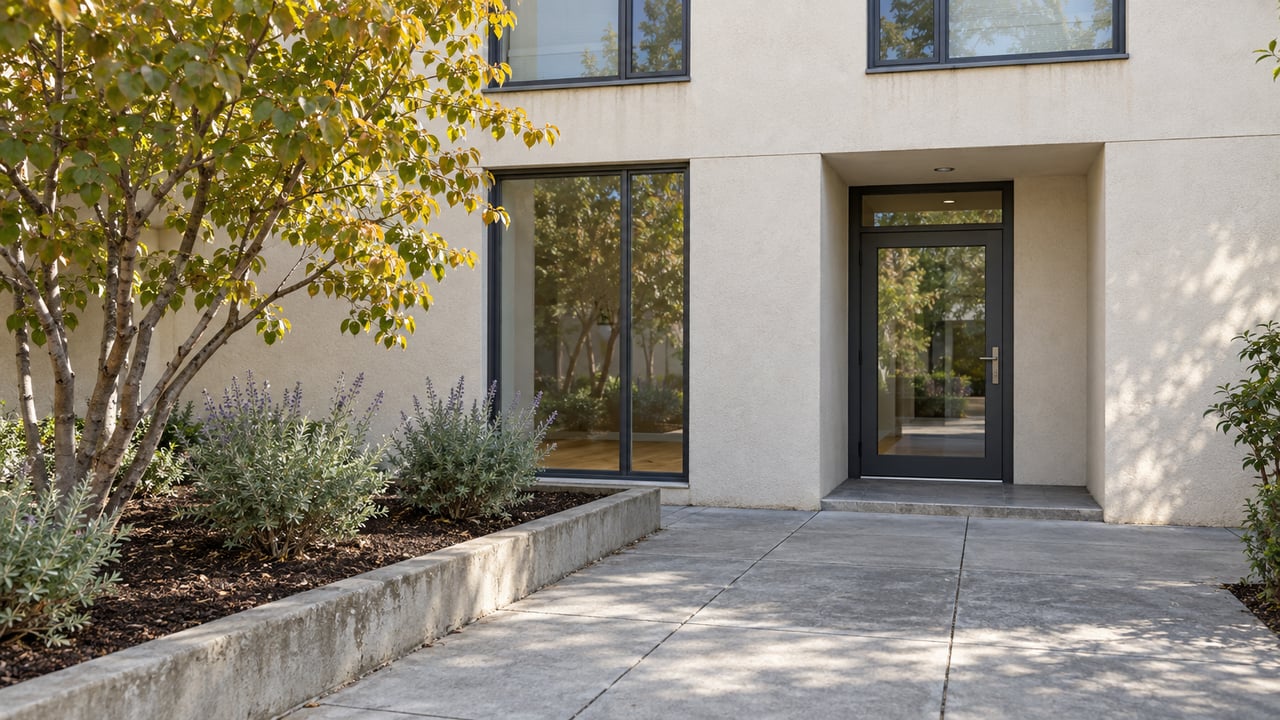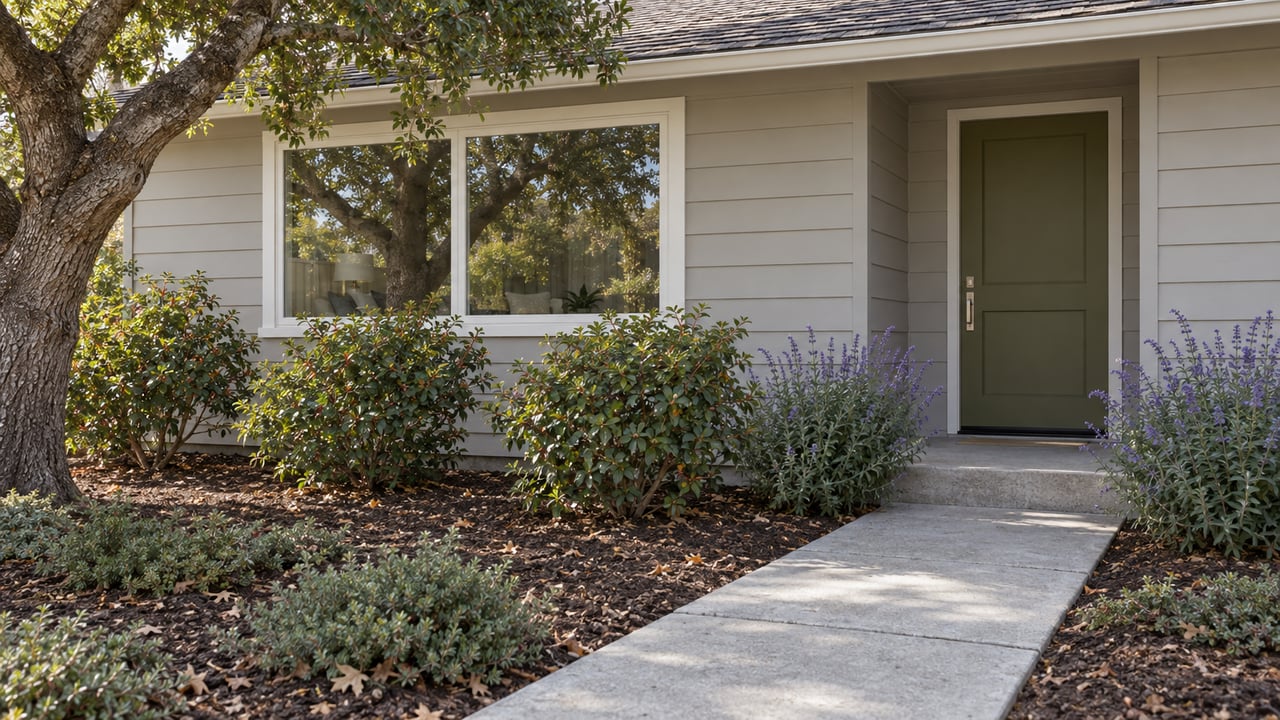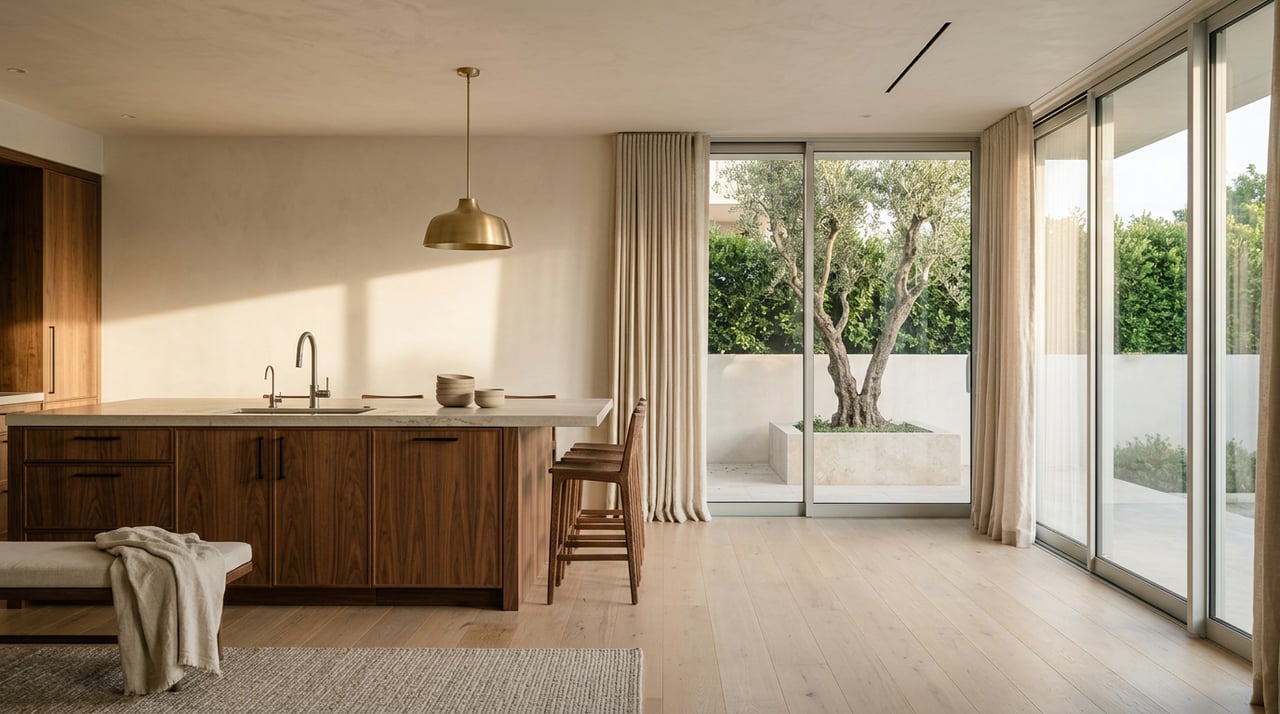
If you have only experienced Napa as a weekend destination, you may be surprised by how normal daily life here actually feels. Living in Napa is less about tasting rooms and getaway energy, and more about choosing the right neighborhood, managing your commute, and enjoying a city with a strong residential rhythm. If you are wondering what life in Napa really looks like beyond the visitor lens, this guide will help you picture the day-to-day. Let’s dive in.
Napa feels like a real city
Napa sits about 50 miles northeast of San Francisco, which helps explain why it stays on the radar for Bay Area buyers who want a change of pace without feeling disconnected from the region. It offers wine-country scenery and a slower feel, but it is still very much part of a broader Bay Area lifestyle pattern.
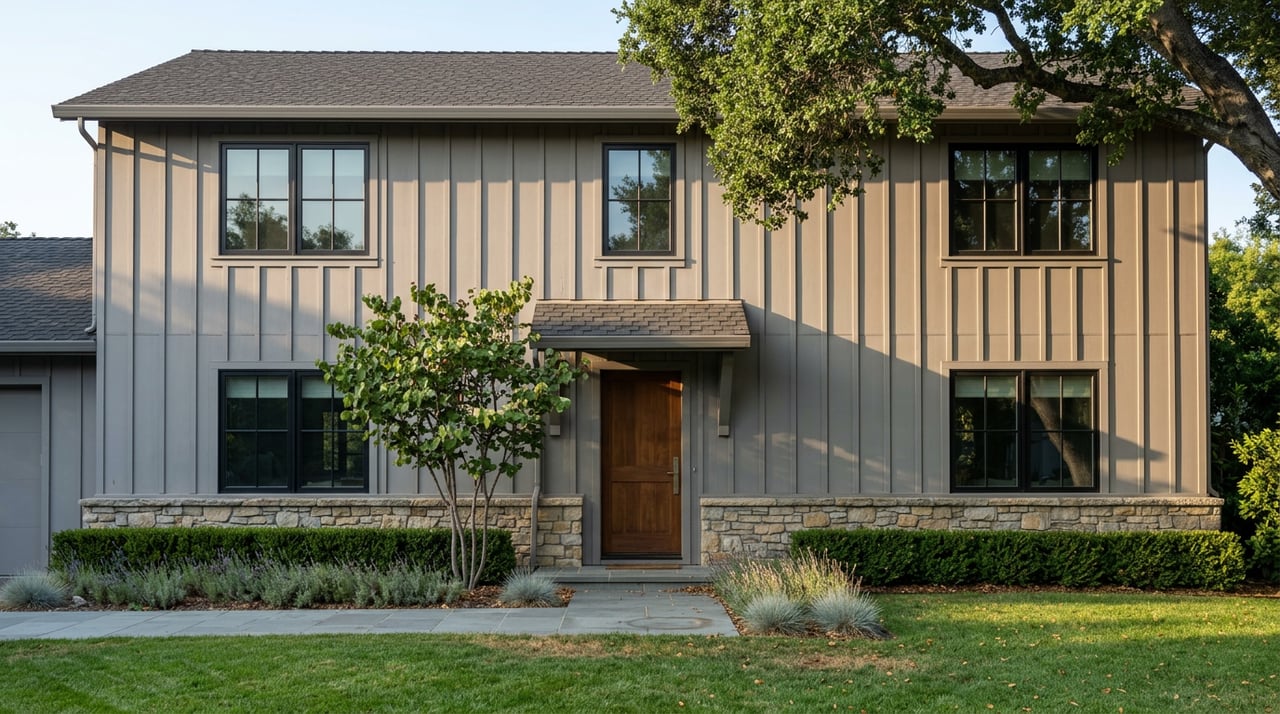
The City of Napa had an estimated population of 76,921 as of July 1, 2024, and the city identifies 26 neighborhoods. That matters because when you live here, you are not choosing a generic wine-country lifestyle. You are choosing between distinct parts of the city, each with its own pace, housing mix, and day-to-day convenience.
Napa’s climate also shapes everyday living more than many visitors expect. It is typically described as mild Mediterranean, with noticeable temperature swings from day to night, so your routine may include warm afternoons and much cooler evenings.
Daily life is more residential than touristy
One of the biggest misconceptions about Napa is that it feels like a permanent vacation town. In reality, the city has a substantial owner-occupant base, with an owner-occupied housing rate of 58.7%, which supports a more grounded, lived-in feel.
Census data also helps paint a clearer picture of daily life. Napa’s median household income is $105,963, the median home value is $856,400, the median gross rent is $2,282, and the average travel time to work is 23.9 minutes.
Taken together, those numbers suggest a city where people are putting down roots, commuting to work, and making practical housing decisions just as they would in other established Bay Area communities. Napa may have a globally known brand, but local life is built around homes, errands, routines, and neighborhood identity.
Neighborhood choice shapes your experience
The best way to understand life in Napa is to look at how different neighborhoods function. The city is not one continuous downtown district, and your experience can vary quite a bit depending on where you land.
Downtown Napa
Downtown is the most walkable option and offers a more urban rhythm. The area includes residential and commercial buildings, with access to Oxbow Public Market, the seasonal Farmers Market, the Napa Valley Opera House, shopping, and restaurants.
If you want the ability to walk to activities and enjoy a mixed-use setting, Downtown may feel like the most connected part of the city. For some buyers, that convenience is a major draw.
Alta Heights
Alta Heights is known for older homes, early-1900s roots, varied architecture, and city views. It offers a more established, in-town character that can appeal to buyers who want something with history and a little more visual variety.
Browns Valley
Browns Valley Central is described by the city as an area shaped by former farmland, neighborhood parks, and residential streets. If your priority is a more classic neighborhood setting with outdoor access nearby, this is one of the areas worth exploring.
Bel Aire
Bel Aire has quiet, tree-lined streets and easier highway access. That can make it especially practical if you want a more residential feel while keeping regional travel a bit simpler.
Westwood
Westwood sits on the west edge of the city and includes many 1950s homes as well as access to Westwood Hills Park. It offers a west-side location with a more established housing stock and everyday neighborhood functionality.
Riverpark
Riverpark stands out for its waterfront angle. The city notes a gated waterfront community here, with many homes oriented toward the Napa River, which gives it a distinct lifestyle identity within Napa.
Vintage
Vintage includes Vintage High School, Queen of the Valley Medical Center, and Garfield Little League Park. From a practical standpoint, it is one of the neighborhoods that may appeal to buyers who value proximity to key daily-use destinations.
Housing in Napa is still mostly single-family
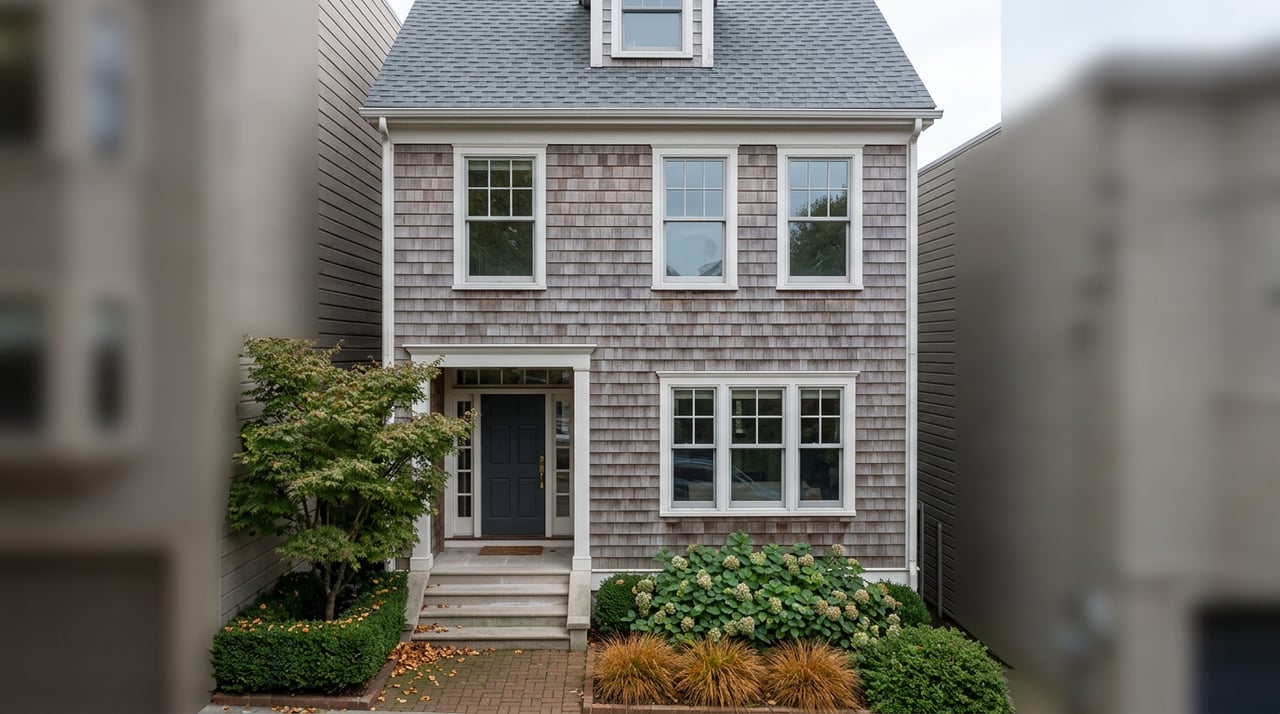
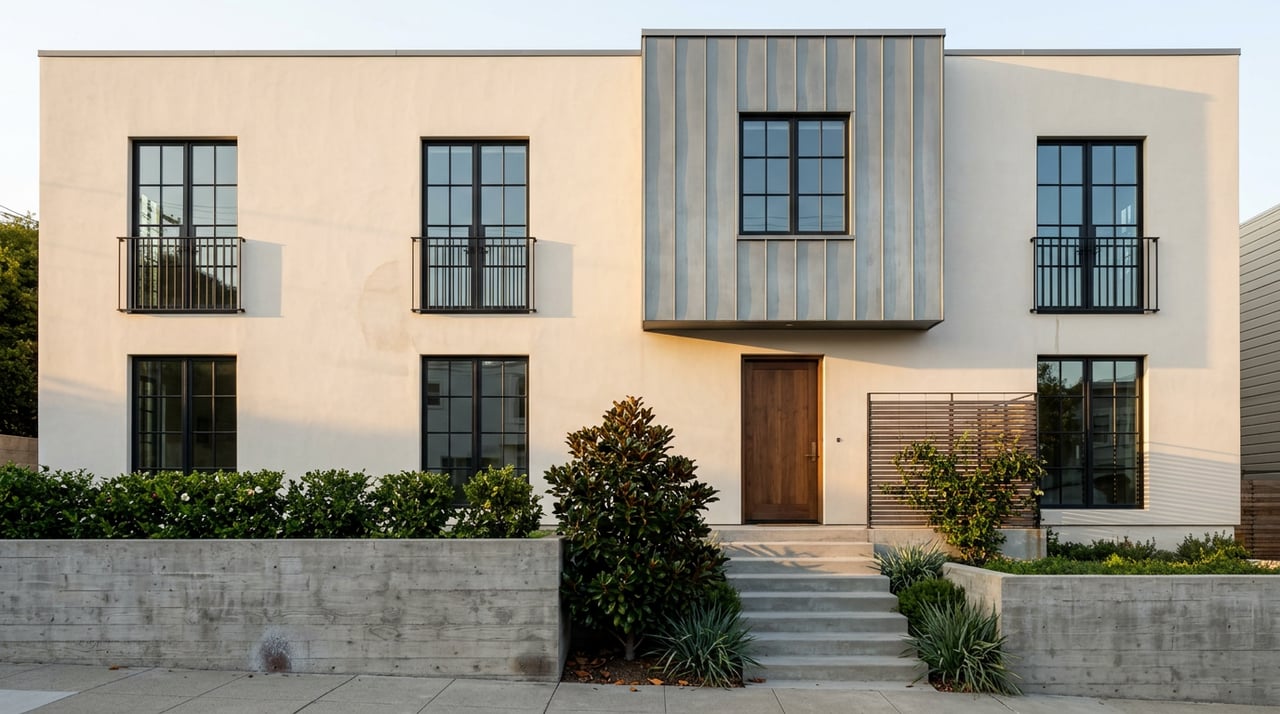
If you are trying to picture the housing stock, Napa remains strongly oriented toward detached homes. According to the City of Napa’s 2023-2031 Housing Element, the 2020 housing stock was 62% single-family detached.
The rest of the mix included 7.1% single-family attached, 9.6% multifamily with 2 to 4 units, 16.8% multifamily with 5 or more units, and 4.4% mobile homes. So while detached homes remain the dominant format, there are still smaller-scale and attached options depending on your goals and budget.
The city has also launched a Junior Unit Initiative to encourage accessory dwelling units and junior accessory dwelling units. That reflects a local policy environment that recognizes the need for more flexible housing choices over time.
Commuting from Napa takes strategy
For many Bay Area buyers, the commute question is one of the biggest deciding factors. Napa can work well, but it usually works best when you approach it realistically.
The average travel time to work is 23.9 minutes, but your actual experience will depend on where you are going, when you need to be there, and how flexible your work setup is. Napa is often a stronger fit for people with hybrid schedules or some choice in how they travel.
Transit options are broader than many expect
According to NVTA, Vine Transit offers local fixed-route service, on-demand service, paratransit, and regional express connections to the Vallejo Ferry Terminal, El Cerrito del Norte BART, and the Fairfield/Suisun Amtrak station. That creates more commuting options than many newcomers assume.
NVTA also says Route 29 connects Napa to El Cerrito del Norte BART, and Route 21 connects riders to the Capital Corridor and Amtrak system. In 2025, Route A serves Browns Valley and Napa High School, Route G provides direct access to the Soscol Campus in South Napa, Route 11X links Napa and Vallejo with the Vallejo Ferry Terminal, and Route 29 added Saturday service with nine roundtrips between Napa and BART.
For some households, that network can make Napa feel more connected to the wider region. For others, a car will still be central to everyday life. The key is understanding your own routine before you decide.
Outdoor living is a major part of Napa life
One reason Napa appeals to full-time residents is that outdoor access is woven into daily life. This is not just a place for scenic drives. It is a place where parks, trails, and open space can become part of your weekly routine.
Skyline Wilderness Park on the southeast side of the city spans 850 acres and offers more than 25 miles of trails for hiking, biking, and equestrian use. Alston Park on the northwest side covers 157 acres and includes three miles of trails with city and valley views.
The Napa Valley Vine Trail is another important local asset. It is a 47-mile protected bike and pedestrian path that will eventually run from Calistoga to Vallejo, giving residents both recreational value and a useful non-car corridor.
If you want access to larger-scale water recreation, Lake Berryessa is nearby and offers boating, swimming, fishing, kayaking, camping, and other outdoor activities. That broader mix helps explain why Napa can feel active and outdoorsy in a very practical way.
Culture here goes beyond wine
Napa’s cultural life is also more layered than many outsiders expect. Downtown remains a major focal point, but not only because of wine-related tourism.
Residents have access to Oxbow Public Market, shopping, restaurants, and the Napa Valley Opera House. The Napa Farmers Market runs year-round on Saturdays and also on Tuesdays from April through December at 1100 West Street, which adds another steady local rhythm.
The City of Napa also sponsors the Napa Art Walk, a biennial public sculpture program in Downtown and the Oxbow District. City descriptions of placemaking events also include the Lighted Art Festival and BottleRock Music Festival as part of Napa’s broader cultural life.
For a resident, these features matter because they add variety to the week-to-week experience. They help Napa feel like a functioning community, not just a destination people pass through.
Visitor Napa and resident Napa are different
This may be the most important takeaway if you are considering a move. Visitor Napa is centered on wineries, hotels, and tasting-room districts. Resident Napa is centered on neighborhood fit, commute reality, housing type, parks, and the kind of daily routine you want.
That difference is why Napa can be such a compelling option for some buyers and not quite right for others. If you want walkability and a mixed-use setting, Downtown may stand out. If you want a more traditional residential setting, areas like Browns Valley, Bel Aire, Westwood, Alta Heights, Riverpark, or Vintage may better match your priorities.
The right move usually comes down to how you want your everyday life to function, not how a place feels on a weekend visit.
If you are weighing Napa against other Bay Area markets, it helps to work with someone who understands both the lifestyle tradeoffs and the housing differences from one community to the next. Regina Gaspari offers thoughtful, calm guidance for buyers and sellers navigating Napa and the broader Bay Area.
FAQs
What is daily life in Napa, California really like?
- Daily life in Napa is more residential than tourist-focused, with distinct neighborhoods, a substantial owner-occupant base, an average 23.9-minute commute, and regular routines built around housing, parks, errands, and local amenities.
What are some Napa neighborhoods to know before moving?
- Useful neighborhoods to explore include Downtown for walkability, Alta Heights for older homes and views, Browns Valley for parks and residential streets, Bel Aire for highway access, Westwood for established west-side housing, Riverpark for waterfront living, and Vintage for convenience near major local destinations.
What kind of housing is most common in Napa?
- Napa’s housing stock is still mostly single-family detached homes, which made up 62% of the city’s 2020 housing inventory, though attached housing, smaller multifamily properties, larger multifamily buildings, and mobile homes are also part of the mix.
What is commuting from Napa to the Bay Area like?
- Commuting from Napa depends heavily on your destination and schedule, but regional connections include Vine Transit service to the Vallejo Ferry Terminal, El Cerrito del Norte BART, and Fairfield/Suisun Amtrak, which can be especially useful for households with hybrid work flexibility.
What is there to do in Napa besides wine tasting?
- Napa offers outdoor access at Skyline Wilderness Park, Alston Park, the Napa Valley Vine Trail, and nearby Lake Berryessa, along with year-round and seasonal market activity, public art, music events, and cultural destinations in Downtown Napa.