A house in San Anselmo that sells inside its first two weeks this spring closed at roughly 107% of its original asking price. A comparable house two towns over in San Rafael that sat past 90 days closed nearer 78%. Same county, same season, a swing worth more than a quarter million dollars on a typical Marin home, and the difference had nothing to do with the property. It had to do with the clock.
That gap is the real story hiding under Marin County's countywide median, which sat near $1.5 million over the three months ending in August 2026. A single median makes Marin sound like one market moving in one direction. It isn't. Marin runs on at least two different clocks, one for pricing discipline and one for who can absorb a 6.5% mortgage rate without flinching, and this year those two clocks are producing a result that runs backward from what most buyers expect.
Same County, Different Clocks
Marin MLS data from this spring, covering closed single-family sales between March and June 2026, split every major town into two buckets: homes that sold within 30 days of listing, and homes that sat past 90 or 120. Countywide, 77% of homes fell into the first group and closed around 5% over their original asking price. The ones that drifted past 120 days closed about 16% under. On a typical Marin home carrying a $1.795 million original list price, that's a swing north of $380,000, and it traces back to one decision: whether the list price was right the first time.
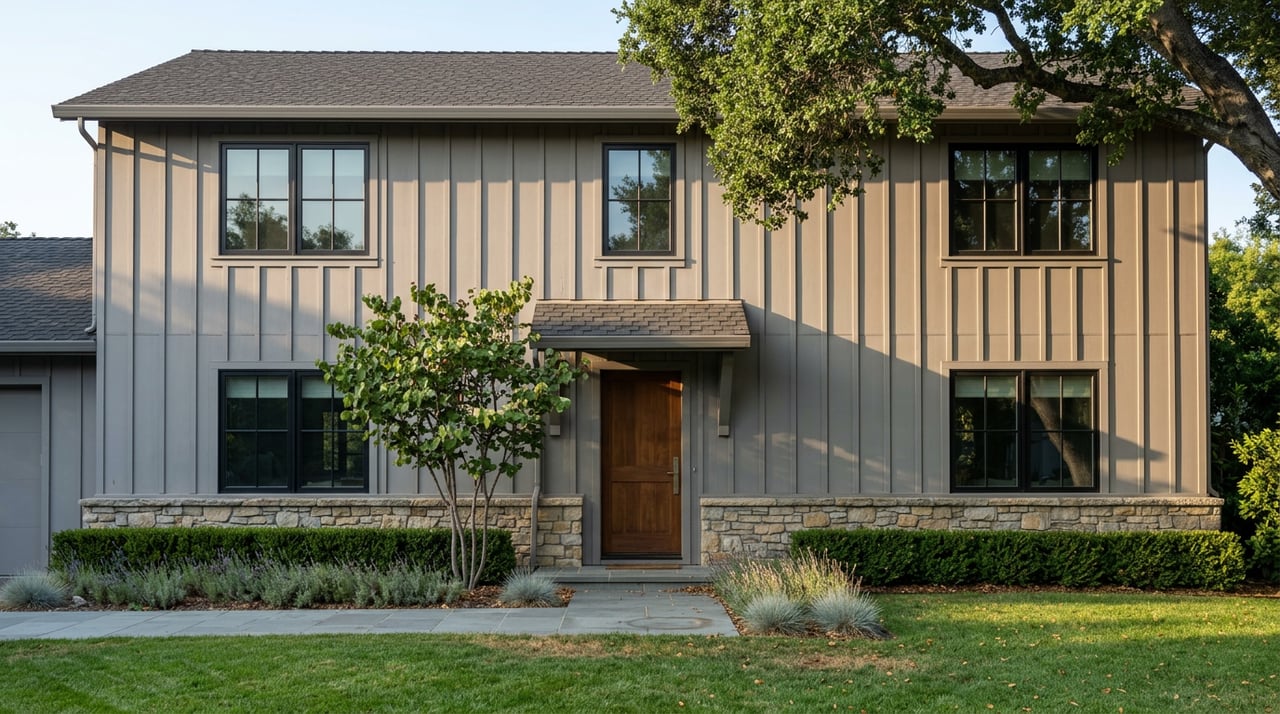
San Anselmo shows how sharp that edge can be. This spring, 80% of its sales closed within 30 days at 107.21% of original list, one of the strongest early-pricing premiums in the county on a median sale price of $1.8 million across 56 closings. Cross into the next bracket, 31 to 60 days, and the number falls to 92.8%. A 14-point drop in a single step, with almost nothing gentle in between. In San Anselmo, a list price that's merely close doesn't get a grace period.
San Rafael's spread runs even wider because it's the county's biggest and most varied market. With 140 closings this spring and a median sale price of $1.51 million, San Rafael's fast movers closed around 104% of original list, while homes that sat past 90 days closed at just 78 to 79%. That's a 26-point range inside a single city, driven less by neighborhood and more by whether the seller matched the price to what buyers were actually paying that month.
| Town | Spring 2026 median sale price | Closings | Sold within 30 days at |
|---|---|---|---|
| Mill Valley | $2.55M | 99 | 109.7% of original list |
| San Anselmo | $1.8M | 56 | 107.21% of original list |
| San Rafael | $1.51M | 140 | ~104% of original list |
| Novato | $1.37M | 112 | 101.42% of original list |
Source: BAREIS MLS closed single-family sales, March 1 to June 1, 2026.
Why Novato Feels the Rate Cycle First
The table above holds the part that surprises people. National coverage of housing tends to treat luxury as the fragile segment, the first to cool when money gets expensive. Marin's spring data says the opposite happened here. Novato, the county's most affordable major market, posted the lowest early-sale premium at 101.42%, essentially trading at asking, and the longest median time on market among major towns at 22 days. Only 67% of its homes sold within 30 days, the smallest share in the county.
Mill Valley moved in the other direction. Its early-pricing premium hit 109.7%, the strongest in Marin, with 85% of sales closing inside 30 days on a median price of $2.55 million across 99 closings. A September 18, 2026 mortgage market update on Marin describes Mill Valley as an active market drawing a mix of move-up and first-time buyers, with most of that activity concentrated in the $1.2 million to $1.8 million range, a tier where equity from a prior sale often covers a meaningful share of the purchase.
The mechanism is financing exposure, not price tier. Novato buyers are more likely to need a mortgage to close, so a rate near 6.5% lands on their monthly payment directly. Mill Valley and Tiburon buyers are more often equity-rich, drawing on gains from a stock market sitting at record highs, which makes a rate move feel more like background noise than a budget constraint. Tiburon's spring numbers reflect the same pattern from a different angle. It posted the highest median sale price of any major Marin market, $3.425 million across 46 closings, in what one analysis called strong but disciplined activity rather than a bidding frenzy. That discipline is the signature of buyers who aren't rate sensitive but also aren't in a hurry.
Mill Valley's first half of 2026 tells the same story at a longer lens. Sales activity rose to 163 homes from 152 the prior half, average sale price climbed to $2,896,000 from $2.6 million, and the share of homes selling above asking rose to 66% from 52%. Growth concentrated specifically in the $2 million to $4 million range, with activity above $5 million strengthening too. When buyers aren't watching a rate lock, they keep bidding.
What the Current Snapshot Adds
The September 2026 mortgage market update layers in town-level texture that the spring closings data doesn't capture on its own. San Rafael currently holds the most inventory in Marin, which the update frames as the best negotiating room in the county right now for buyers willing to look past the fastest-moving listings. Larkspur gets described as good value relative to southern Marin, with its ferry commute option carrying real weight for buyers still returning to San Francisco offices. Sausalito's floating homes and hillside properties come with a financing caveat: not every lender handles that stock, and specialty financing is often the difference between a closed deal and a stalled one. Greenbrae shows up as Marin's entry-level tier, still expensive by most standards but more accessible than its southern neighbors.
None of this contradicts the spring pattern. It confirms the same divide is still active into fall. Marin's overall pace has held steady rather than accelerated, with homes selling in an average of 36 days over the three months ending in August 2026, down from 40 days the year before, and monthly closings up to 227 from 168. That's a market moving a little faster than last year, not a market in a rush.
What This Means If You're Comparing Towns
For a buyer weighing Mill Valley against Novato, or San Rafael against San Anselmo, the town name matters less than which clock that town is running on. A financed buyer entering Novato is competing in a market where the rate environment is the main variable, and where patience past the first 30 days is common rather than a red flag. A buyer with substantial equity looking at Mill Valley or Tiburon is competing against other equity-rich buyers who treat a 6.5% rate as a rounding error, which means the pricing discipline conversation matters more than the financing one.
For a seller anywhere in the county, the sprint-versus-stale data is the more actionable half of this. The gap between a home priced right in week one and a home that drifts past 90 days isn't a story about the town. It's a story about matching a list price to what buyers in that specific submarket were paying that month, not what a countywide median implied. That's a harder read than checking a single number, and it's exactly where cross-market experience earns its keep, since the pricing answer for a San Rafael listing this month isn't the same as the answer for a Mill Valley one.
A Few Questions Worth Asking
Does Novato's softer spring data mean it's a weaker place to buy long term? The data reflects rate sensitivity in the moment, not a judgment on the town. Novato's median days on market and lower overbid percentage track its buyer pool's financing needs during a period of elevated rates, not the underlying desirability of the market.
Does the sprint-versus-stale pattern apply the same way to condos and multi-unit properties? The spring BAREIS data referenced here covers single-family home closings specifically. Attached and multi-unit properties carry their own financing and HOA considerations that can shift the pricing-window math.
If you're weighing which Marin town fits your next move, or trying to time a listing against what a specific submarket is actually paying this month, Regina Gaspari has spent years reading these town-by-town differences across San Francisco, the East Bay, Marin and Napa. Let's Connect.