If you are thinking about selling in Napa, you are not just selling square footage. You are selling a lifestyle shaped by vineyard views, outdoor living, seasonal beauty, and the rhythm of wine country. In a market where homes are taking time to sell and buyers are paying close attention to pricing and presentation, the details matter. This guide will help you think through timing, preparation, marketing, and disclosures so you can approach your sale with more clarity and confidence. Let’s dive in.
Napa Market Conditions Matter
Napa is somewhat competitive, but it is not a market where most homes fly off the shelf without effort. Over the three months ending May 2026, homes sold after an average of 56 days on market, with a median sale price of $858,986. Zillow also reported 351 active listings at the end of May 2026, a median sale-to-list ratio of 0.984, and 15% of sales above list price.
What that means for you is simple. Pricing, presentation, and patience still matter. Buyers have options, and many are comparing not just homes, but also the experience each property offers.
Napa is also shaped by tourism and agriculture in a way that makes it different from many residential markets. Visit Napa Valley reported 3.7 million visitors in 2023, along with $2.5 billion in visitor spending and $107.5 million in tourism tax revenue. Napa County’s 2024 crop report also showed how central agriculture remains, with winegrapes accounting for $1.031 billion of the county’s agricultural value.
That broader context affects buyer expectations. In Napa, people often respond to the feeling of a property just as much as the floor plan, so your home’s setting, outdoor spaces, and seasonal appeal can play a major role.
Best Times To List in Napa
There is no single perfect week to list every Napa home. The right timing depends on your property, your goals, and what part of the wine-country lifestyle is most compelling about your home.
Visit Napa Valley describes the area as popular year-round, with a long warm season from spring through fall. Spring brings budding vines and fresh color, summer brings sunny days and outdoor activity, fall brings harvest energy and dramatic vineyard scenery, and winter is quieter and rainier with mustard blooms.
Spring and Early Summer Appeal
Late winter through spring can be especially attractive if your home shows well with greenery, gardens, hills, or vineyard-adjacent scenery. Mustard blooms are common from January through March, bud break often appears from late February to late March, and flowering usually begins in May. That can make seasonal photography and first impressions especially strong.
Late spring and early summer may also work well if your home’s strongest selling point is outdoor living. Patios, terraces, decks, pools, and entertaining areas often look their best when the weather is inviting and the landscaping feels alive.
Fall and Harvest Energy
Harvest season runs from August through October and is considered Napa Valley’s peak travel season. During that time, the valley is busy with events, dining demand, and winery activity. If your home benefits from vineyard color, harvest atmosphere, or a strong connection to the wine-country experience, fall can be a compelling time to bring it to market.
That said, busy season can also change the logistics of showings. Traffic, reservations, guest activity, and access may feel very different in late summer and fall than they do in quieter months.
Winter Tradeoffs
Winter may mean less competition from other listings, which can be helpful. But shorter daylight, wetter weather, and less predictable outdoor presentation can reduce the impact of exterior spaces that might otherwise help your home stand out.
For many Napa sellers, the question is not just, “When are buyers active?” It is also, “When does my property tell its best story?”
Prepare Outdoor Spaces First
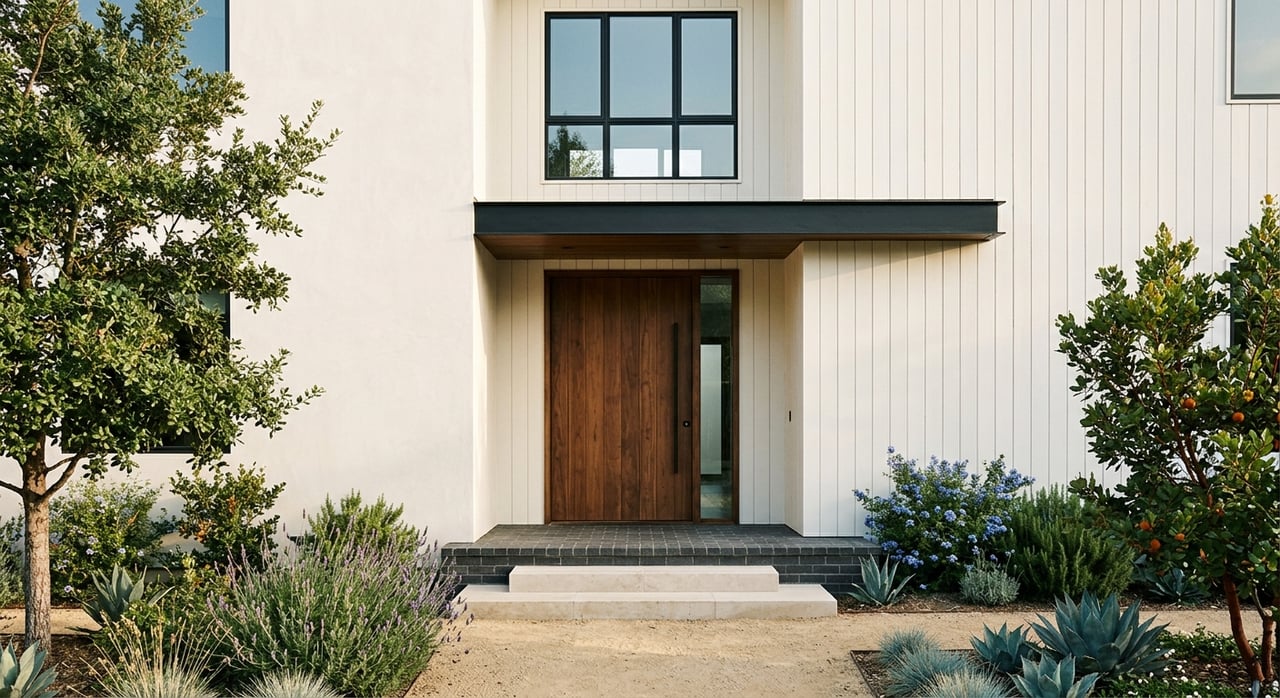
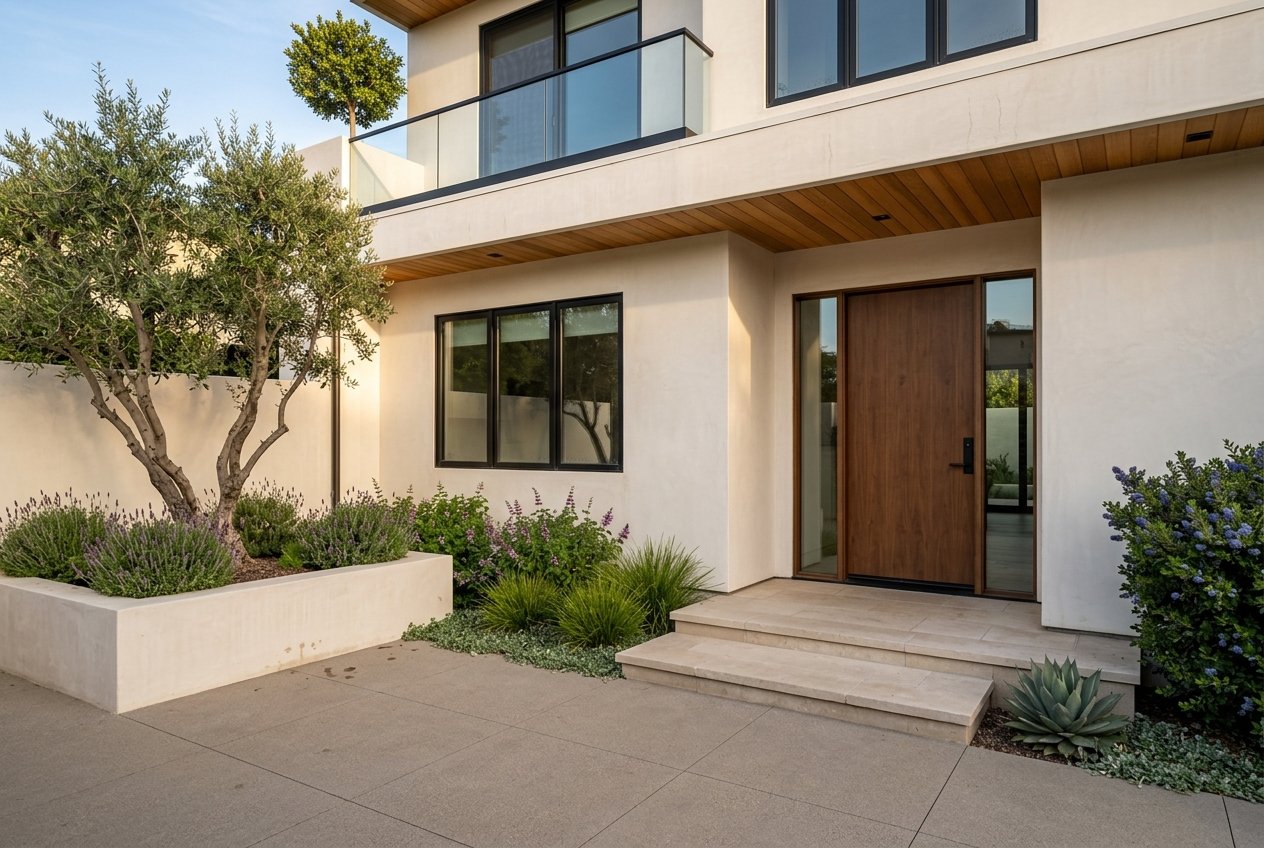
In Napa, exterior presentation often carries unusual weight. Buyers are not just evaluating the home itself. They are also looking at how the property supports daily life outdoors across different seasons.
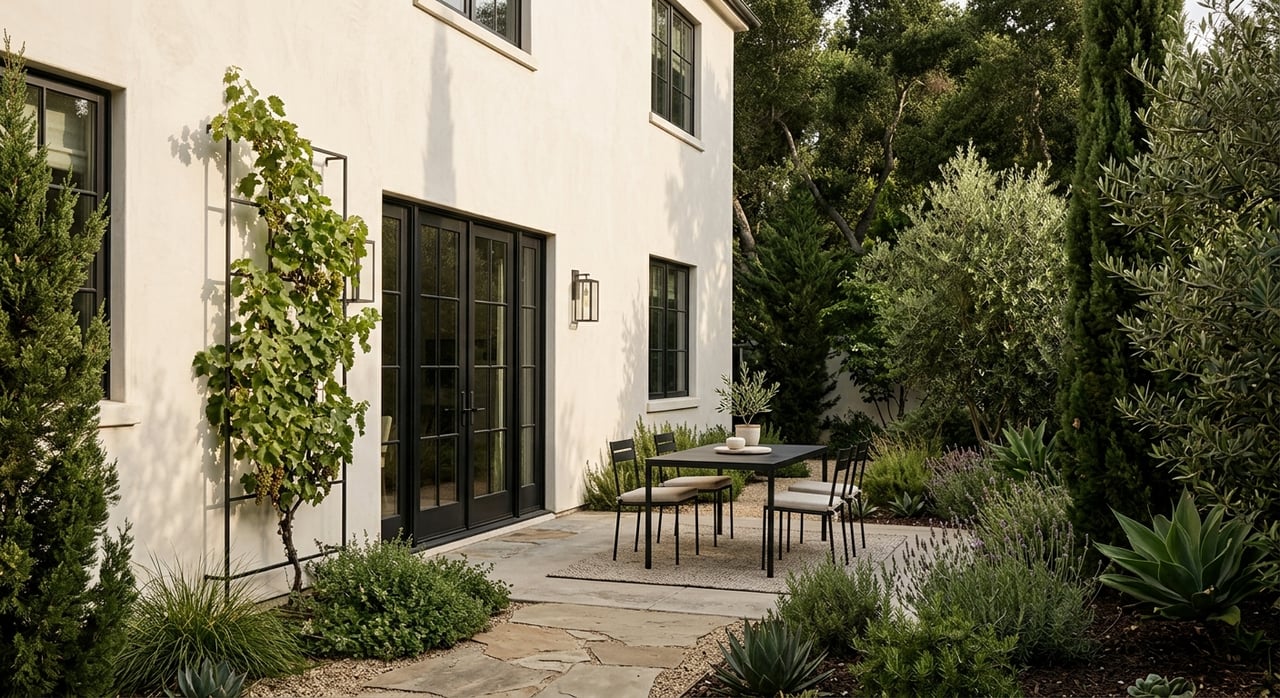
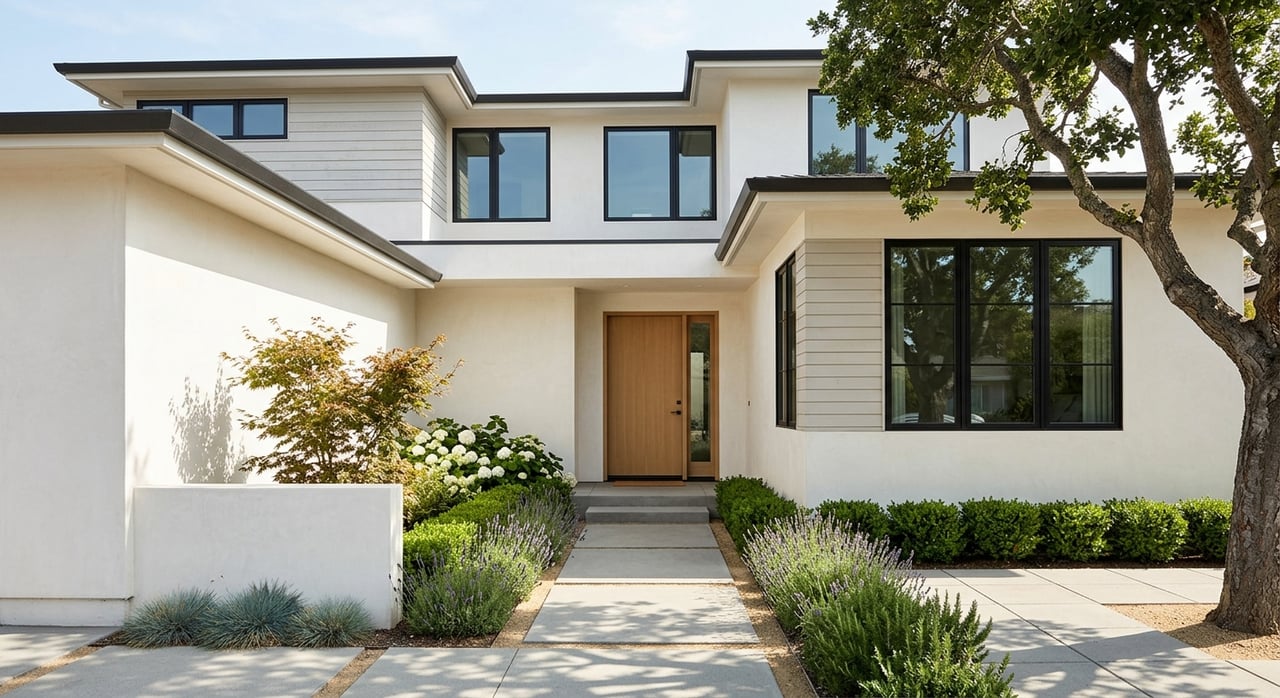
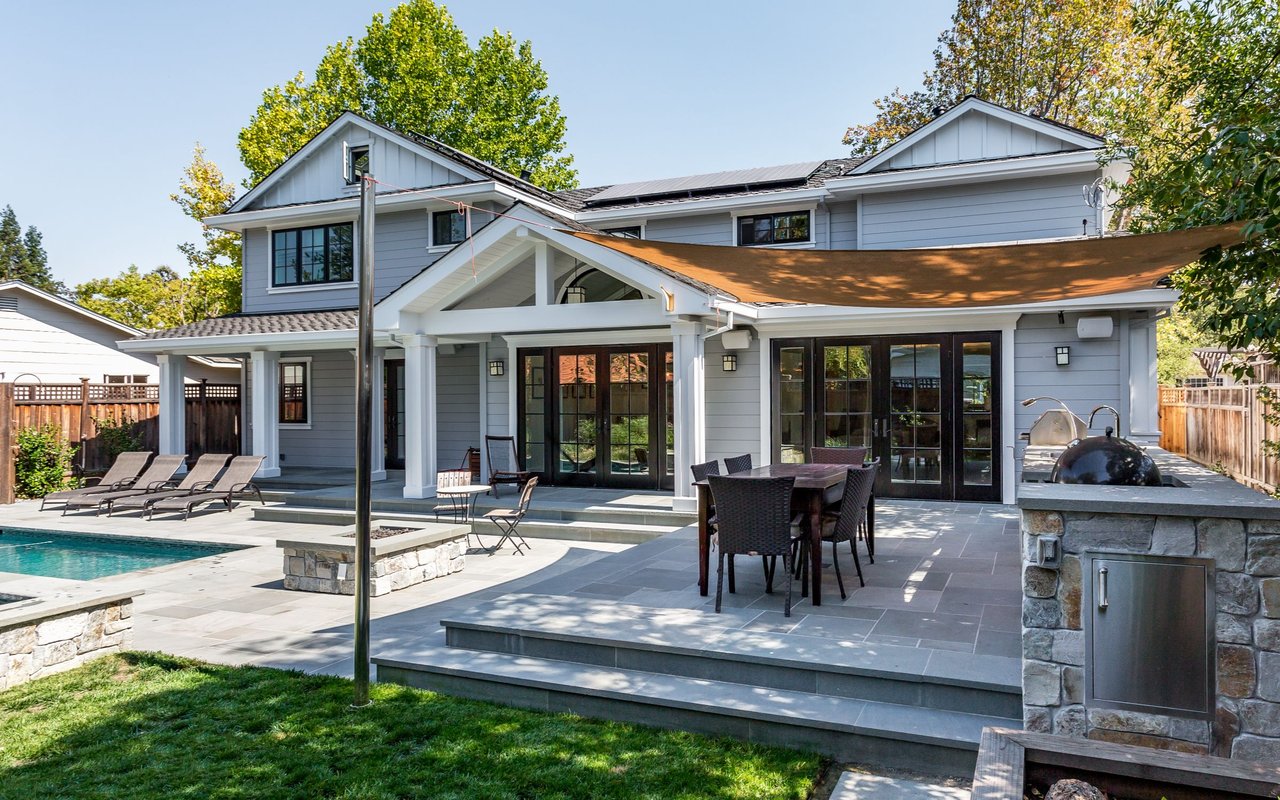
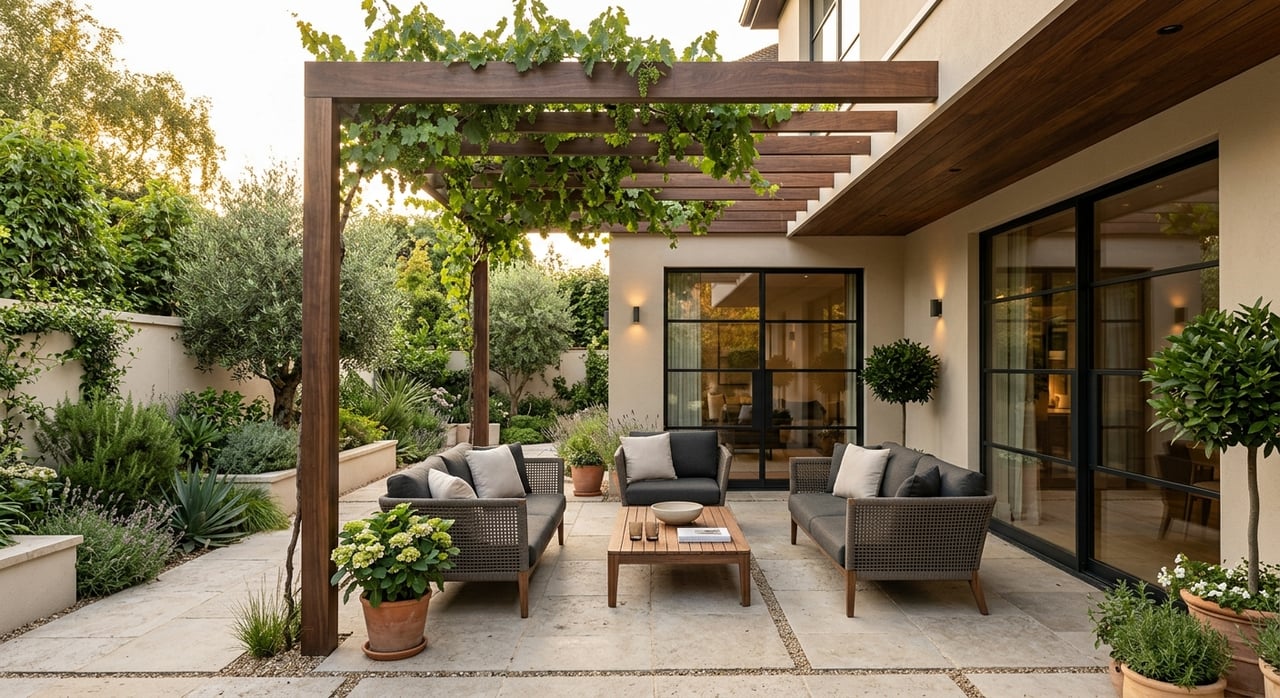
That means your yard, patio, terrace, pool area, deck, and seating spaces deserve the same strategic attention as your kitchen or living room. A tidy, usable, well-defined exterior can help buyers picture relaxing, entertaining, and enjoying the setting.
Focus on Beauty and Function
The goal is not decorative excess. In many cases, buyers respond better to spaces that feel polished, easy to maintain, and clearly functional.
A strong pre-sale exterior plan may include:
- Cleaning hardscapes and outdoor furniture
- Trimming shrubs and trees
- Refreshing planting beds
- Defining seating and dining areas
- Clearing clutter from patios, decks, and side yards
- Making pathways and entries feel open and intentional
This approach supports the kind of lifestyle-based presentation that tends to resonate in Napa. It also helps your property feel calm, cared for, and ready for the next owner.
Wildfire Readiness Should Be Visible
In Napa, outdoor preparation is not only about looks. It is also about resilience and maintenance.
Napa County identifies defensible space as a core wildfire preparedness issue. County guidance calls for a minimum 100-foot radius around a structure, or to the property line if that is closer, along with a 5-foot ember-resistant zone near the home. The county also recommends clearing combustible material, maintaining tree and shrub spacing, and using non-combustible mulch near structures.
For sellers, this matters in two ways. First, buyers may be paying close attention to whether a property looks manageable during wildfire season. Second, visible maintenance can make the home feel better prepared and more thoughtfully cared for.
What Buyers May Notice
As buyers walk a property, they may be asking themselves practical questions such as:
- Does the landscaping feel manageable?
- Is there defensible space around the home?
- Are trees and shrubs maintained?
- Do exterior areas feel safe and usable year-round?
Napa County also adopted updated fire-hazard severity zone maps in 2025. County materials note that properties in mapped fire-hazard zones must comply with ignition-resistant construction standards, maintain defensible space, and disclose natural-hazard information when sold.
You do not need your yard to feel stark or stripped down. You do want it to feel intentional, maintained, and consistent with county guidance.
Stage for the Napa Lifestyle
Home staging can have a real marketing impact. In NAR’s 2025 Profile of Home Staging, 29% of agents said staging led to a 1% to 10% increase in dollar value offered, 49% said staging reduced time on market, and 83% of buyer’s agents said staging made it easier for buyers to picture the property as their future home.
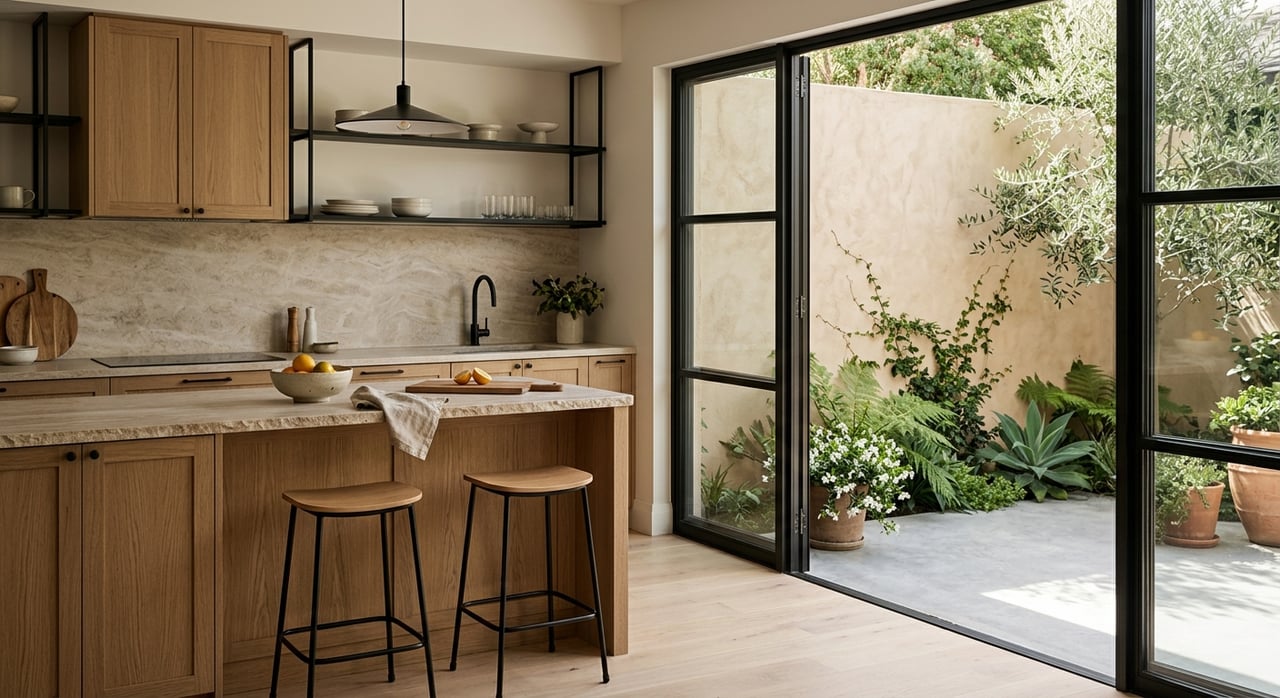
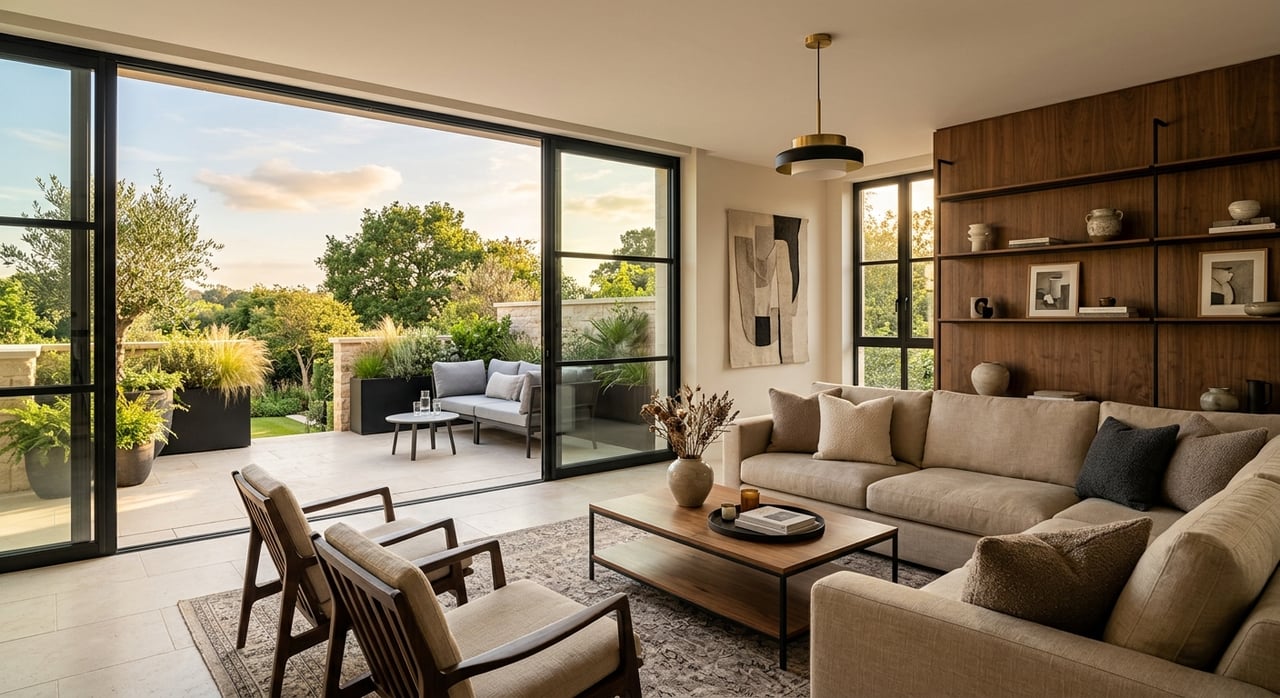
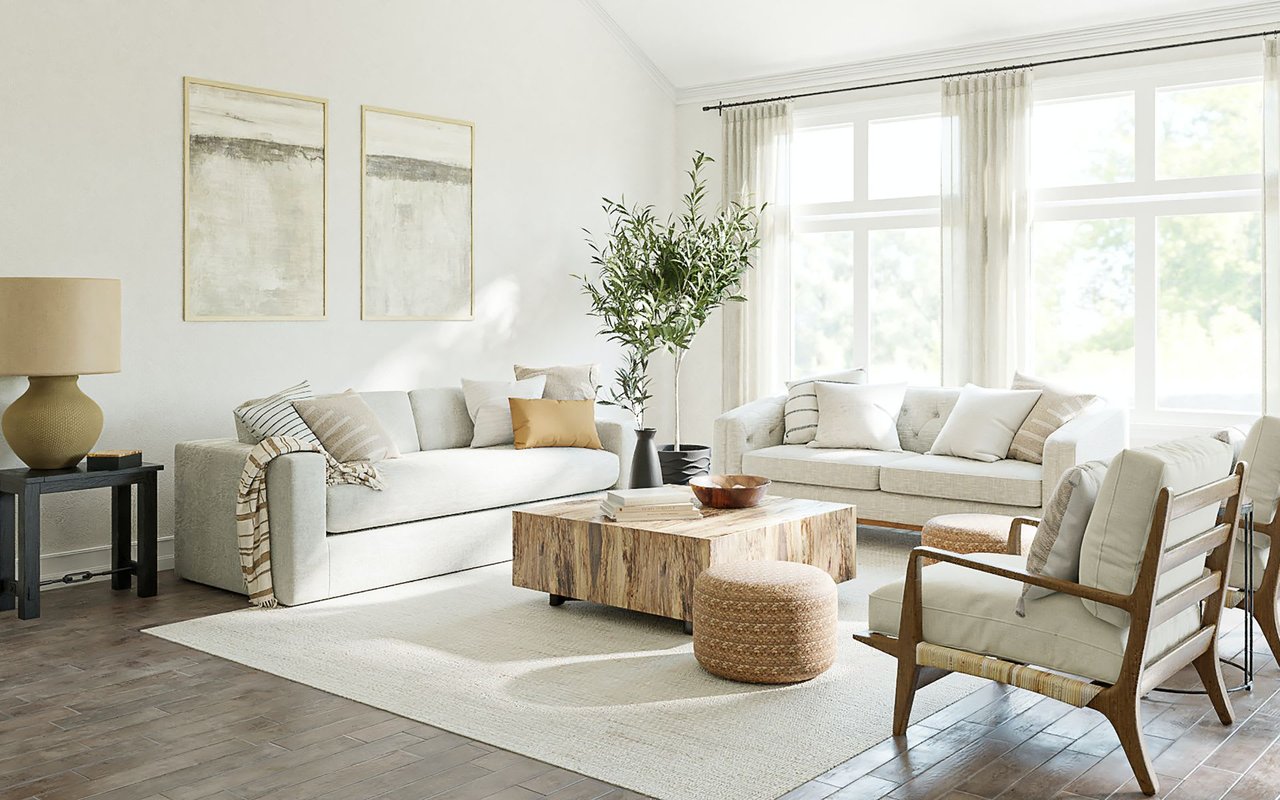
Those findings are useful anywhere, but they are especially relevant in Napa. Here, staging should go beyond the main interior rooms and extend into the spaces that support indoor-outdoor living.
Prioritize These Spaces
If you are deciding where to focus your effort first, start with the spaces that carry the strongest emotional pull:
- Living room
- Kitchen
- Primary bedroom
- Dining area
- Patio or terrace
- Poolside seating area
- Deck with a view
- Garden or courtyard gathering space
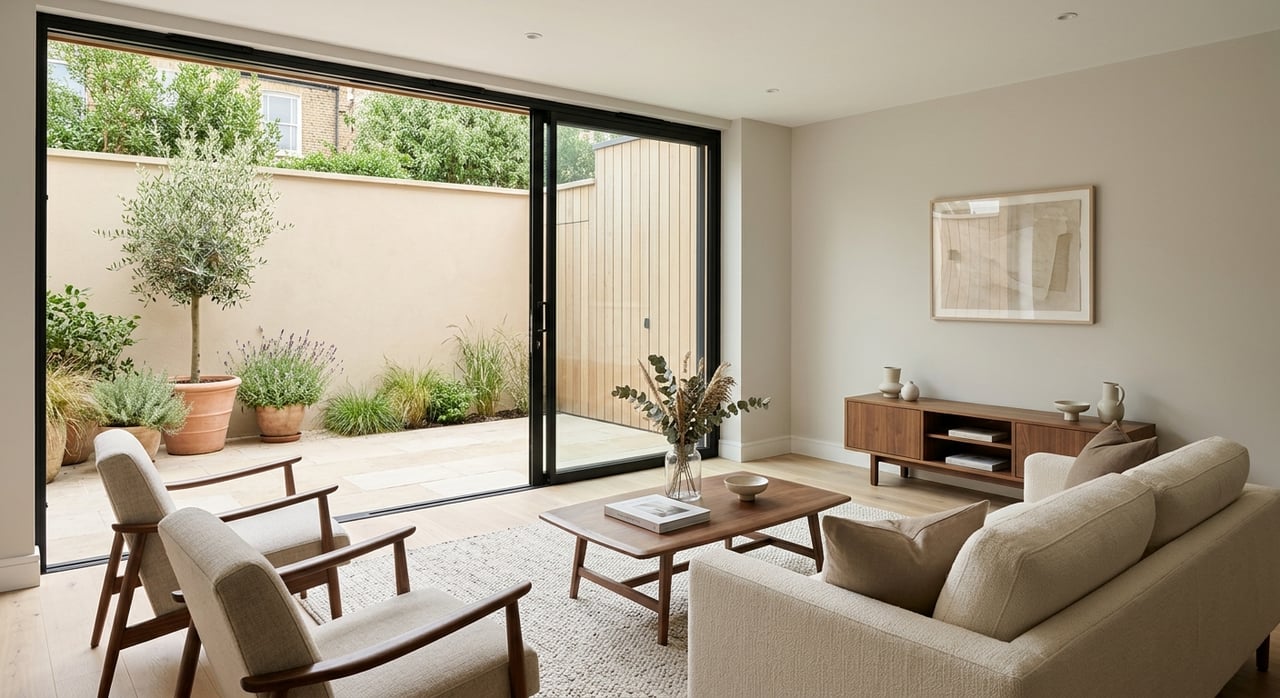
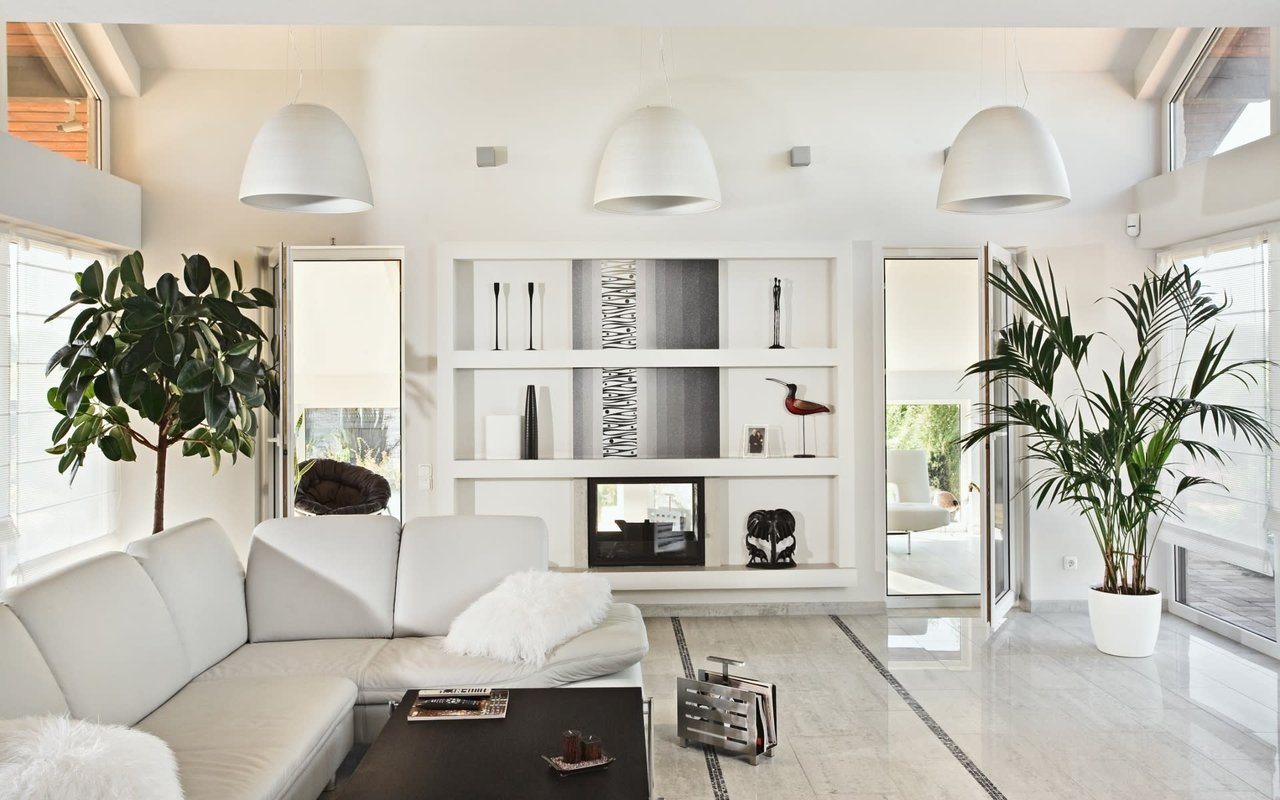
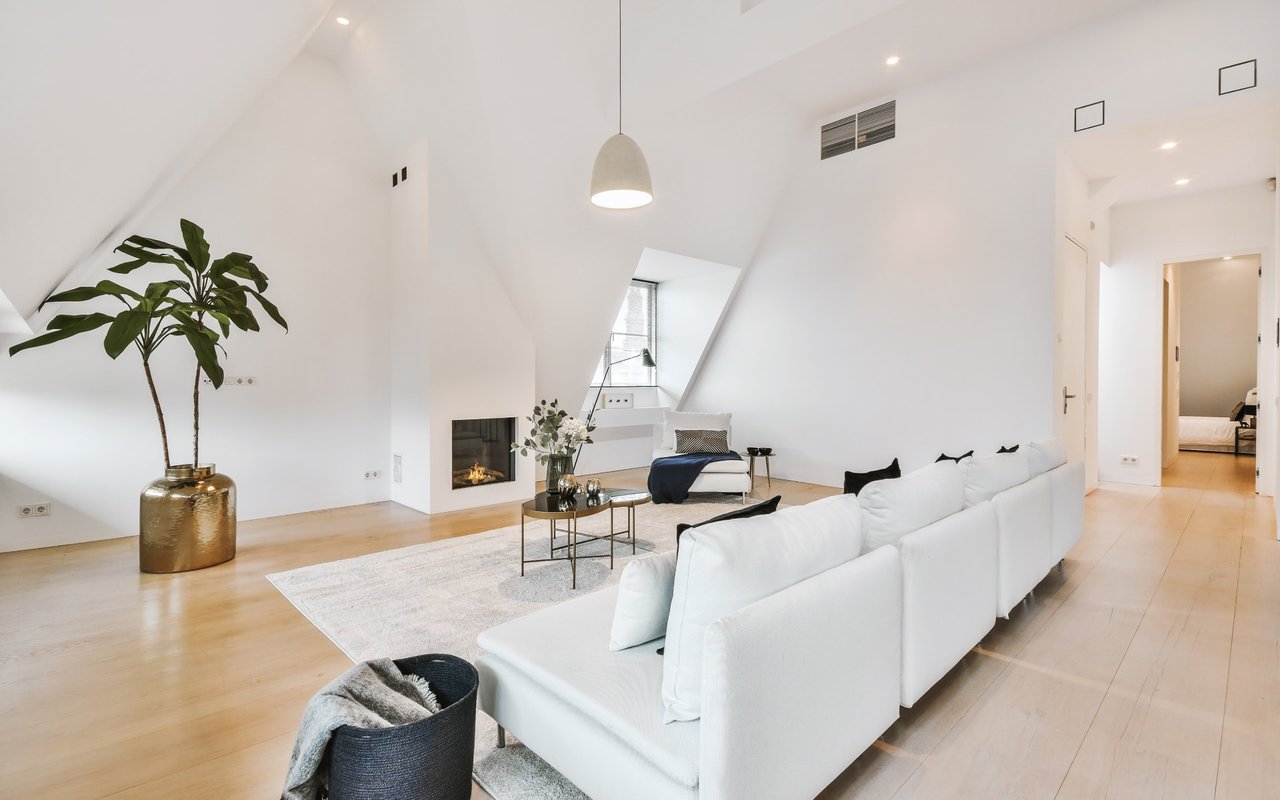
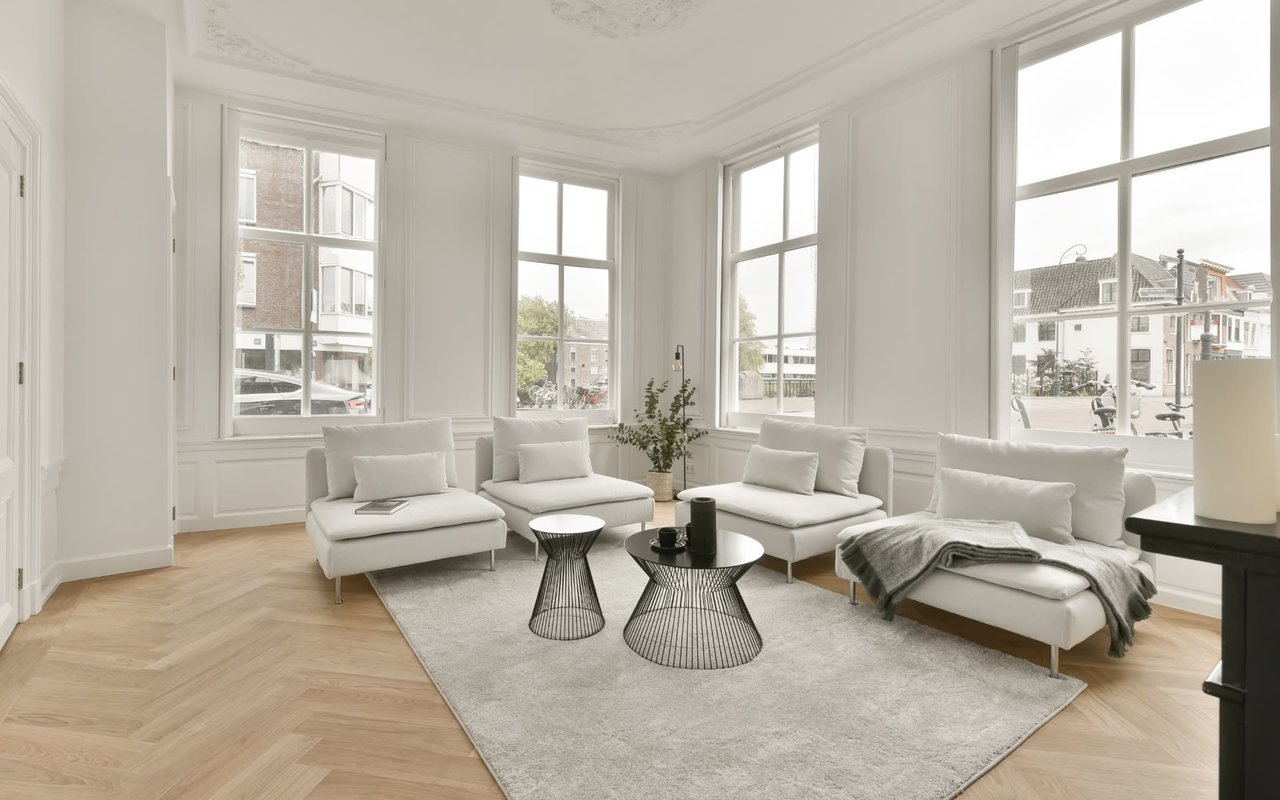
The point is to create a clear visual story. Buyers should be able to imagine morning coffee outside, relaxed evenings with friends, and an easy flow between the inside and the exterior spaces.
Decluttering, cleaning, and curb appeal remain foundational. Photos, videos, and virtual tours are also highly important to buyers, so your home should be prepared to look strong not just in person, but on screen.
Market the Experience, Not Just the House
A Napa home often benefits from lifestyle-based marketing. Visit Napa Valley’s seasonal coverage highlights alfresco dining, hiking, concerts, harvest events, wildflowers, mustard blooms, and vineyard growth. Those seasonal themes reflect what many buyers already associate with the area.
That does not mean your marketing should overstate what the property offers. It does mean the listing should clearly communicate how the home supports the wine-country experience, whether that comes from entertaining areas, scenic outlooks, a polished outdoor setup, or a calm and private feel.
The Right Story Helps Buyers Connect
Depending on the property, the strongest marketing angles may include:
- Indoor-outdoor flow
- Space for relaxed entertaining
- Seasonal landscape beauty
- Low-maintenance exterior design
- Guest parking or flexible outdoor use
- A setting that feels connected to Napa’s year-round appeal
In a market where buyers often have choices, thoughtful positioning can help your listing feel memorable for the right reasons.
Be Ready for Common Buyer Questions
Because Napa is both a residential market and a destination market, buyers may come in with a slightly different set of concerns than they would elsewhere. Many are thinking beyond the home itself and considering what daily ownership will feel like.
Common questions may include how easy the property is to maintain during wildfire season, how usable the outdoor spaces are across the year, whether there is enough parking or guest space during busy tourism periods, and how the home fits into summer or harvest traffic patterns.
These are useful questions to think through before your home goes live. If you can anticipate them early, you can often prepare the property and the listing strategy more effectively.
Start Disclosures Early
In California, disclosures are a key part of the selling process. The California Department of Real Estate says most residential one- to four-unit sales require a Real Estate Transfer Disclosure Statement, which must be delivered as soon as practicable and before title transfer. Sellers and agents must also disclose material facts affecting the property’s value, desirability, or intended use.
For a Napa sale, the disclosure conversation should not be treated as an afterthought. Local hazard considerations, including natural-hazard disclosures, may come up early, especially for properties in mapped fire-hazard zones.
Starting this process sooner can help reduce surprises later. It also gives you more time to gather information, understand what may need to be disclosed, and move forward with better organization.
A Smart Napa Selling Strategy
Selling in Napa requires more than listing a home and hoping the setting does the work for you. The strongest results often come from a combination of realistic pricing, polished presentation, smart seasonal timing, and a clear understanding of what buyers value in this market.
If you are planning a move, it helps to work with someone who can think strategically about both preparation and positioning. From staging priorities to timing decisions and disclosure planning, a steady process can make a meaningful difference.
If you’re considering selling in Napa and want thoughtful guidance on how to position your home, connect with Regina Gaspari for a calm, strategic conversation.
FAQs
When is the best time to sell a home in Napa?
- The best time depends on your property’s strengths. Late spring and early summer can highlight outdoor living, while fall can showcase harvest energy and vineyard scenery.
What should sellers focus on before listing a Napa home?
- Start with pricing strategy, exterior presentation, decluttering, cleaning, staging, and making outdoor spaces feel polished, functional, and easy to maintain.
Why do outdoor spaces matter so much when selling a home in Napa?
- In Napa, buyers often respond strongly to indoor-outdoor living and the broader wine-country lifestyle, so patios, decks, gardens, and entertaining areas can play a major role in first impressions.
What wildfire-related issues should Napa sellers think about?
- Sellers should review defensible space, the ember-resistant zone near the home, vegetation maintenance, and whether the property is in a mapped fire-hazard zone that may affect disclosures or property requirements.
What disclosures are common when selling residential property in Napa, California?
- Most one- to four-unit residential sales require a Real Estate Transfer Disclosure Statement, and sellers must disclose material facts that could affect the property’s value, desirability, or intended use.
How long does it take to sell a home in Napa?
- Over the three months ending May 2026, homes in Napa sold after an average of 56 days on market, which suggests sellers should plan for preparation and patience rather than expect an instant sale.